user-friendly ready-to-use supplies supply chain biotechnology

Bioprocessing depends strongly on a diverse spectrum of starting materials for generating cutting-edge biobased goods.
Maintaining the sustainable sourcing of these resources is critical to longevity and principled development in the sector.
various risks tied to conventional feedstock acquisition including biodiversity loss and excessive resource use. Hence, stakeholders must deploy sustainable supply practices to minimize environmental costs.
- Representations of ethical supply approaches are:
- Utilizing renewable feedstocks derived from agricultural byproducts
- Adopting looped production models to decrease loss and amplify reuse
- Forging alliances with neighborhood suppliers supporting green sourcing
The transition to greener sourcing offers both planet-friendly outcomes and business advantages.
Refining Biomass Sources to Enhance Fuel Conversion
Enhancing biofuel output is grounded in superior feedstock characteristics. Investigators regularly test new routes to upgrade biomass inputs, delivering enhanced conversion and a more resilient energy mix. This involves genetic modifications to increase biomass production, as well as pretreatment techniques that break down complex plant materials into more readily fermentable sugars.
- Also, studies emphasize discovering resources such as seaweed, organic waste, and residual straw to diversify sustainable feedstock supplies for fuels.
- Through these continuous efforts, the field of biofuel production is poised to make significant progress in the coming years, paving the way for a more renewable energy landscape.

Advances in Biopharmaceutical Manufacturing: Focus on Upstream Operations
involves foundational activities from cultivation to biomass harvest Modern progress within the sector has contributed to more efficient processes and higher production.
Important innovations consist of upgraded cell platforms, customized nutrient matrices, and smart bioreactor solutions. Such breakthroughs boost efficiency and simultaneously reduce manufacturing costs and carbon burdens.
- In addition, momentum toward nonstop processing offers improved flexibility and optimized operational flow.
- Embracing sophisticated manufacturing strategies is poised to change industry norms and shorten development cycles.
Next-Gen Gene Editing for Enhanced Protein Expression
progresses in gene editing technologies, such as CRISPR-Cas9, have revolutionized the production of biopharmaceuticals. Through controlled genetic modifications, practitioners increase therapeutic protein production. This approach holds immense potential for developing more efficient and affordable biopharmaceuticals to address a wide range of diseases.
Leveraging Microbes to Tackle Environmental Pollution
cutting-edge microbial approaches that remediate contamination sustainably. Microbial communities can biotransform hazardous materials into lower-risk substances. Utilizing microbial metabolism supports eco-friendly site 4-Aminobutyric acid cleanup methods that limit secondary harm from remediation.. Analysts explore microbial consortia for targeted removal of metal toxins, pesticide residues, and petroleum contaminants.. Microbial strains work in bioreactor settings or on-site applications to convert pollutants through biological pathways..
Employing microbial strategies for remediation provides multiple benefits versus traditional techniques. This method provides a low-cost, low-waste alternative to conventional remediation. Additionally, microbial tactics can target contaminants selectively while preserving surrounding ecological systems. The field is rapidly refining methods to make microbial remediation more efficient and broadly effective.
The Role of Bioinformatics in Drug Discovery and Development
Data-driven bioinformatics is critical for modern pharmaceutical innovation. From predictive screening to lead refinement, computational biology underpins more efficient drug pipelines.
- Through evaluating comprehensive genomic, proteomic, and clinical data, teams detect novel targets and predict drug action.
- Additionally, simulation tools enable prediction of binding and activity, guiding creation of more potent drugs.
- Ultimately, bioinformatics modernizes development workflows and expedites access to safe, beneficial medicines.
Optimizing Metabolism to Increase Bioproduct Production
implements many strategies to improve microbial output of desired bioproducts. These strategies can involve genetic modifications to optimize metabolic pathways, regulation of gene expression, and the introduction of novel genes to confer new capabilities.. Through careful adjustment of metabolic routes engineers can markedly elevate product titers.
Such an integrated approach may disrupt diverse fields including therapeutics, crop science, and sustainable fuels.

Upscaling Biopharma: Obstacles and Potential Gains
Expanding production volumes poses difficult barriers yet offers substantial opportunities. Ensuring product consistency at larger manufacturing scales represents a major hurdle. Managing it necessitates robust automation, high-fidelity monitoring, and powerful analytical capabilities.
Complexity in multi-step biomanufacturing operations presents ongoing operational challenges.. Translating lab methods into scalable operations needs heavy research and technology breakthroughs.. However, the potential rewards are substantial. Effective scale-up may expand patient access to therapies, cut unit costs, and improve margins.
A series of measures are underway to confront these obstacles. They encompass new process-improvement tools, in-line analytics for continuous oversight, and creative manufacturing approaches.
- Research and development activities are central to evolving manufacturing capacity.
- Authorities are revising processes to enable faster clearance of manufacturing innovations and encourage progress.
Regulatory Strategies for Biopharma Compliance and Patient Protection
The development of biopharmaceuticals is a complex process that requires stringent regulatory oversight to ensure both patient safety and product efficacy. Biologic therapeutics bring unique regulatory and manufacturing demands unlike traditional pharmaceuticals.
Institutions such as the U.S. FDA and European EMA lead in formulating regulations and benchmarks for biologic approvals..
Robust assay and safety testing are obligatory from discovery through post-marketing surveillance.. These controls function to identify dangers and ensure biopharmaceuticals achieve premier safety standards..
Furthermore, regulatory bodies are constantly evolving their approaches to keep pace with the rapid advancements in biopharmaceutical research.. Strategies include welcoming technological advances and simplifying development while prioritizing patient safety.
Plant-Derived Inputs for Next-Gen Bioplastics
Growing emphasis on eco-conscious materials catalyzes research into plant-based options. Using plant feedstocks to make bioplastics gives a promising direction for sustainable material development. Plant-based biomass resources such as cornstarch, cellulose, sugarcane can be processed into biodegradable plastics that degrade naturally, minimizing the environmental impact of conventional plastics.
Additionally, many plant-based bioplastics show performance characteristics similar to conventional plastics for numerous uses.. Ongoing R&D is essential to scale plant-based bioplastics and realize circular economic benefits.
Biotech's Role in Improving Global Health and Agricultural Resilience
Emerging biotechnologies deliver avenues to improve health outcomes and secure food resources. Through advancements in genetic engineering, synthetic biology, and cell therapies, biotechnologists are developing innovative solutions to combat infectious diseases, improve crop yields, and enhance nutritional value.. One example is bioengineered crops that withstand pests and stressors, enabling higher yields with less pesticide input.. Moreover, biotechnology plays a crucial role in developing vaccines, antibiotics, and diagnostic tools that are essential for combating infectious diseases and improving global health outcomes.. Going forward, advancements in biotechnology are likely to yield interventions that improve health and advance sustainable food systems globally.
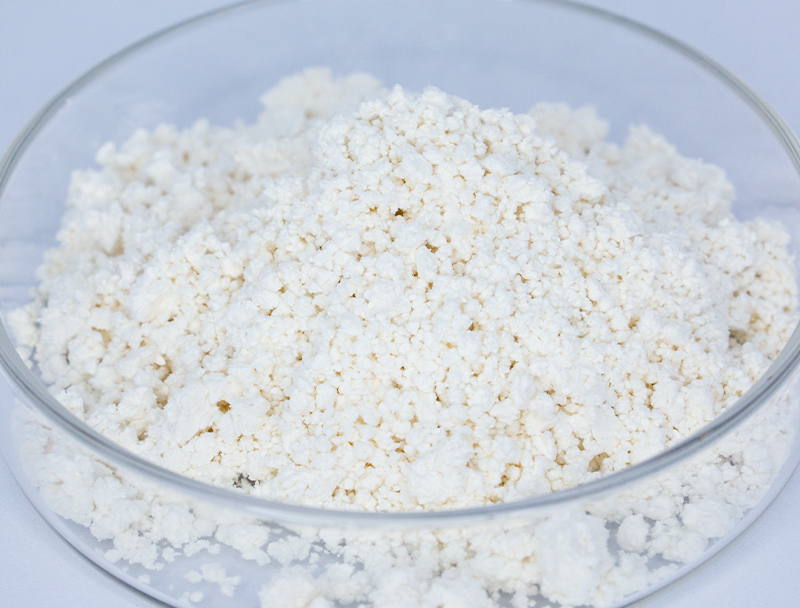 5-ALA
5-ALA